
High-Frequency Welding (HF Welding)
2025-05-13
High-Frequency Welding (HF Welding)
- Principle: Uses high-frequency electromagnetic waves (typically 27.12 MHz) to generate an electric field, heating and melting the PVC material, which is then pressed and bonded.
- Weld Strength: Can reach 80%-95% of the material’s strength, providing strong and secure bonds.
- Common Issues:
- Electromagnetic Radiation: The high-frequency electromagnetic waves (27.12 MHz) may affect workers and require shielding over long-term exposure.
- Burns: High temperatures can cause burns.
- Arcing: Improper operation may lead to arcing at the weld seam, burning the fabric surface.
- Shiny Stripes: Similar to hot air welding, shiny stripes can appear, especially if overheating or uneven pressure occurs.
- Power: 2-20 kW (depending on the equipment scale and application).
- Voltage: 220-380V.
- Radiation: High-frequency electromagnetic waves at approximately 27.12 MHz; protective measures required.
- Operating Temperature Range: Typically 100°C to 150°C, but surface temperature can rapidly rise due to high-frequency effects.
Recommended Applications:
High-frequency welding excels in applications requiring high-strength and airtight seals, particularly in products with demanding structural integrity. It is ideal for:
- Inflatable products: Inflatable boats, water toys, airbeds, and rafts.
- Medical equipment: Blood bags, IV bags, medical mattresses.
- Tensile structures and membranes: Roofing membranes, air-supported domes.
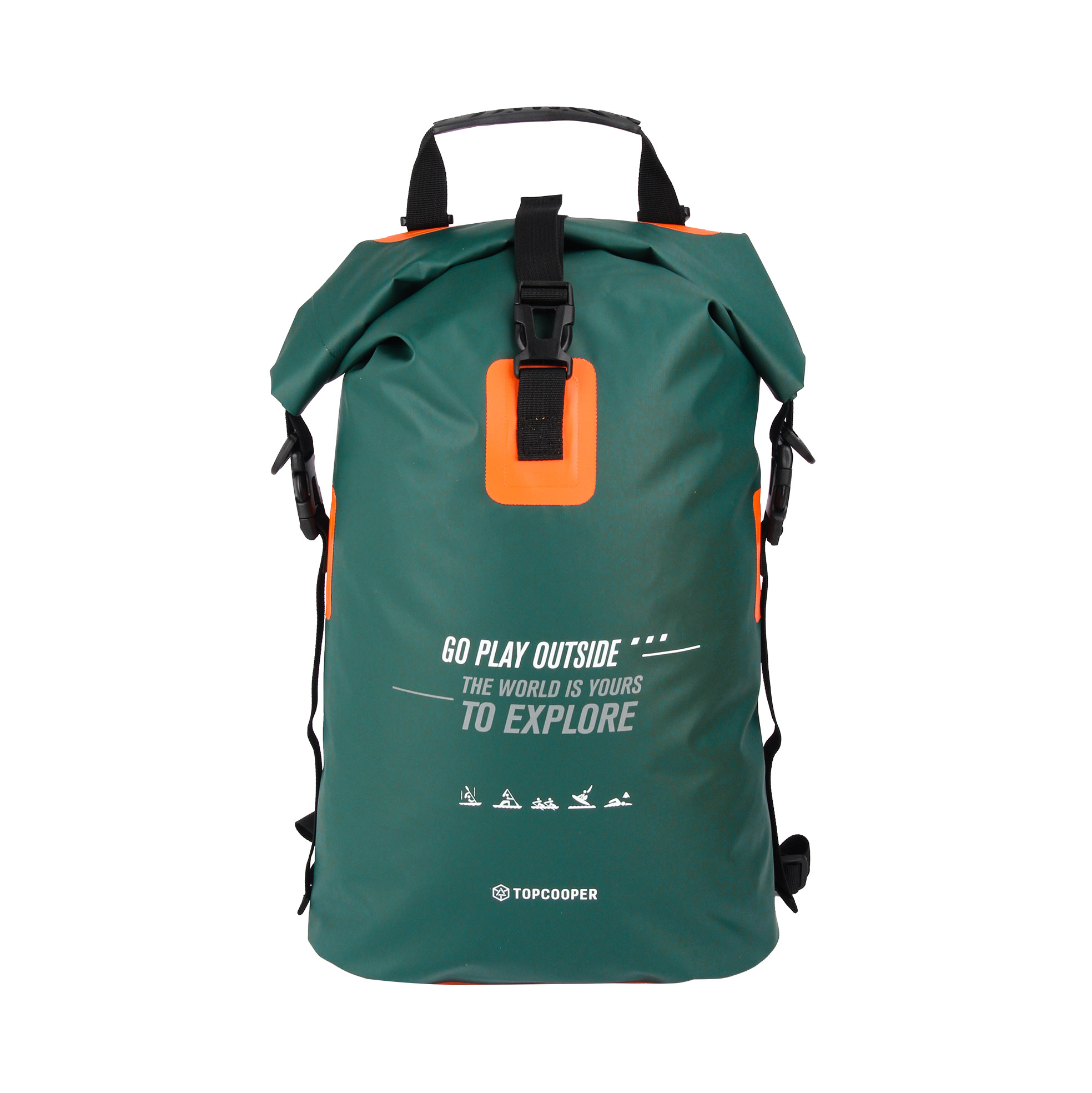
- Sealed bags: Water and air-tight bags, including dry bags and industrial fluid containment.
- Heavy-duty tarps: Industrial and military-grade tarps.
- PVC-based swimming pools and inflatables: Pools, large inflatable structures for amusement parks.
- Emergency response products: Inflatable shelters, isolation tents, medical inflatable products.
Labor Protection Requirements:
- Workers must wear protective clothing with electromagnetic shielding to prevent long-term exposure to high-frequency electromagnetic waves.
- Heat-resistant gloves should be used to avoid burns from high-temperature components.
- Emergency power-off systems must be in place to prevent fires from arcing or equipment failure.
- The welding area should be equipped with electromagnetic shielding to ensure a safe working environment.
How can we classify variuos aplication or uses of silk screen printing ?
