
How can we classify variuos aplication or uses of silk screen printing ?
How can we classify variuos aplication or uses of silk screen printing ?
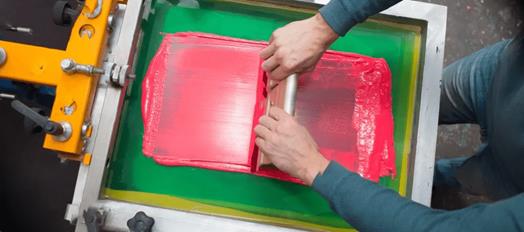
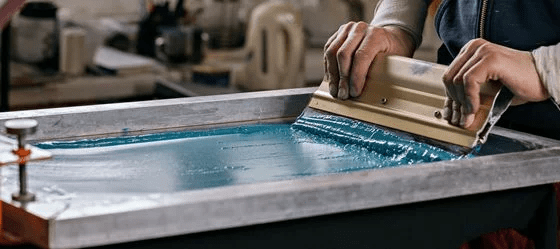
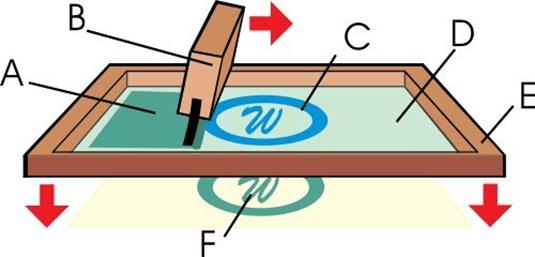
Here are some key methods and best practices that ensure high quality prints, on metal;
Let’s know some best-known practices and methods we can use for high-quality prints whether you want it for metals or plastic or any other surfaces.
Proper Screen Preparation;
It is a step to ensure that the screen is covered with emulsion and accurately. The screen should be exposed is crucial for creating a stencil.
The exposed appearance is also significant to have the mesh tensioned appropriately. This step can stop ink defamation or bleeding.
Clean Metal Surface;
A clean metal surface is one of the best practices that ensure good quality prints on metal surfaces and the metal surface is free of oxidation,
mud and oil are fundamental for metal or any type of printing. Degreasing and sometimes abrasion like sandblasting may be necessary to ensure ink adhesion.
Controlled Environment;
A controlled environment is the 3rd practice we can employ. It is essential to maintain a controlled environment
with temperature and humidity levels to assist in maintaining ink viscosity and curing requirements.
Ink Uniformity
Regularly mixing the ink to maintain viscosity is important. Keeping the ink at the temperature during printing helps prevent issues, like clogging or uneven prints.
During the production process conducting checks, on prints helps in detecting and promptly fixing issues like misalignment,
ink smudging or color discrepancies. This is achieved through the implementation of quality assessments for prints.
Glass, wood and metal surfaces are considered the best-adhering surfaces for metal printing.
digital inks are not as cheap and durable as metal printing these digital prints do not prove such effective methods used for printing.
High-Frequency Welding (HF Welding)
